
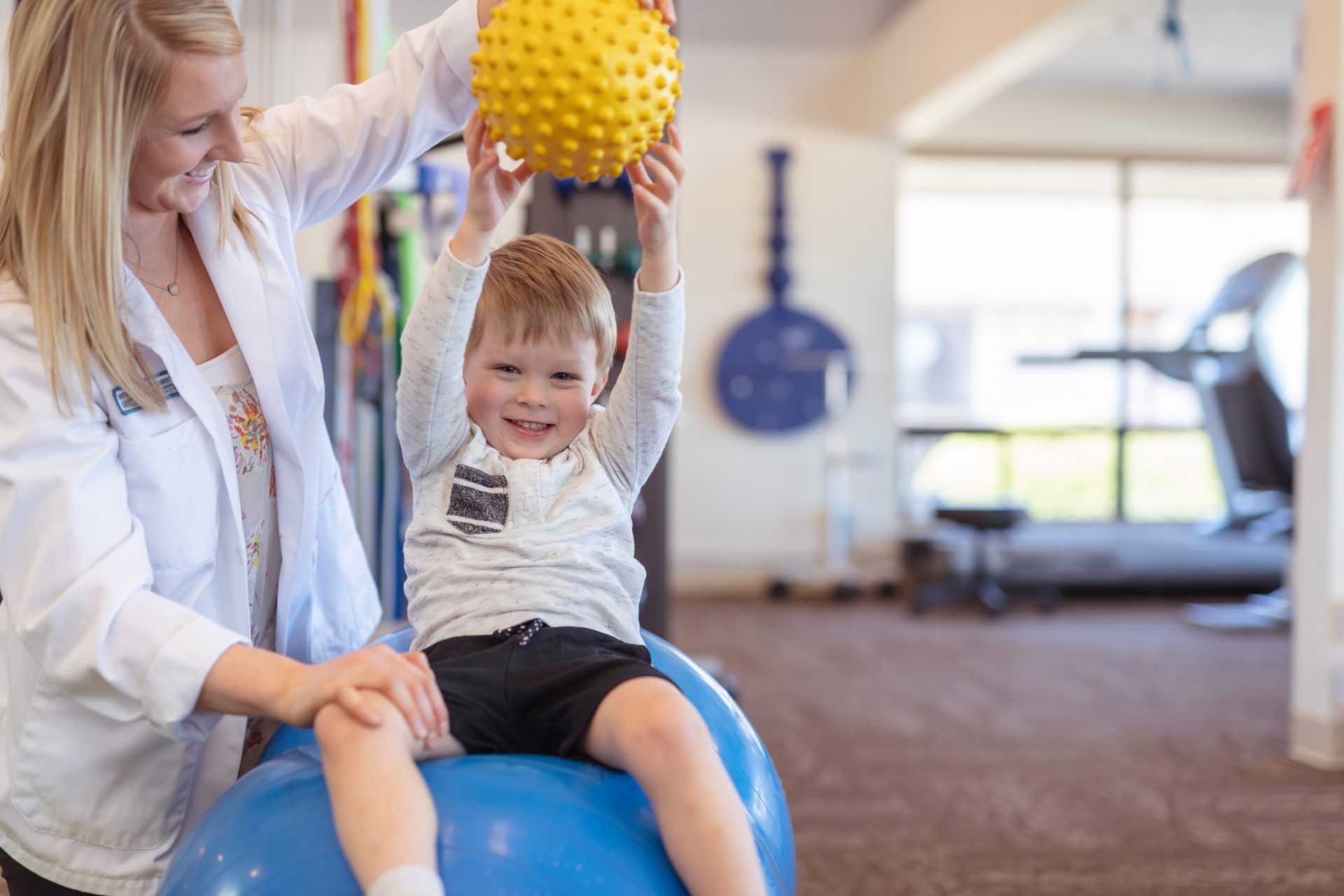

A practical framework for reflex integration, movement, and functional treatment planning
Welcome to RITP’s 3-Day Clinical Foundations Intensive!
RITP is a treatment planning and implementation method based on developmental milestones, primary motor reflex patterns, and primal movement patterns, using a play-based approach that is fun and easy to implement.
This course is a 3-day intensive, live but online, program for pediatric service providers.
What Therapists Will Get Out of This Training
- In-Depth Understanding of Reflex Integration and Development
- Learn the connection between developmental milestones and reflex integration progression.
- Gain insight into how primitive reflexes influence children’s movement patterns, sensory processing, and developmental maturity.
- Screening and Assessment Skills
- Master the ability to screen for retained primary motor reflexes during functional tasks and play.
- Learn to identify how reflex patterns affect common activities like crawling, walking, and coordination.
- Practical Treatment Planning Techniques
- Gain skills to create appropriate, individualized treatment plans that incorporate developmental milestones and reflex integration.
- Learn how to select effective activities that support functional skill development.
- Understand how to adjust treatment plans based on progress and challenges.
- Functional Movement and Milestones
- Recognize key functional movement patterns and their connection to reflex integration.
- Learn how joint and muscular systems influence movement and contribute to functional skill development.
- Play-Based Therapy Integration
- Learn how to incorporate play into reflex integration therapy for a child-centered approach.
- Understand how to create engaging, therapeutic activities that promote reflex integration and developmental progress.
- Goal Setting and Progress Tracking
- Develop the ability to establish measurable baselines for functional activities, ensuring a clear framework to assess progress and adapt therapy goals effectively.
- Learn how to structure goals that reflect developmental milestones and track progress effectively.
Learning Objectives
- List the benefits and functions of primitive reflexes.
- Recognize the milestones of primitive reflex integration within developmental milestones.
- Recognize how primitive reflexes influence common functional activities in children.
- Identify possible movements to be conducted as part of a reflex integration treatment plan to improve specific functional activities.
- Recognize common signs and symptoms of retained reflexes observed in the classroom and the playground.
- Recognize how retained reflexes affect developmental maturation, and sensory processing.
- List key developmental milestones and functional properties of the brain.
- Recognize common descriptive technical terms relating to human anatomy.
- Identify key functional and developmental areas to observe and screen.
- Recognize how the presence of certain reflex patterns influences functional skills.
- List the appropriate criteria to consider when selecting activities for functional intervention.
- Recall how to structure goals and treatment plans utilizing developmental milestones.
- Identify effective strategies to support parents and educators as they implement reflex integration therapy programs in home and school environments.
Agenda
DAY 1 — Understanding Reflex Integration & Developmental Milestones
9:00–9:15 — Welcome & Orientation
9:15–10:30 — Introduction to Primitive Reflexes
10:30–10:40 — Mini Quiz #1
10:40–12:00 — Course 1 Continued: Milestones & Case Studies
12:00–12:30 — Lunch
12:30-1:00 – RITP Movement + Review / Q&A
1:00–1:45 — Anatomy & Movement Patterns
1:45–2:00 — Mini Quiz #2
2:00–2:30 — Q&A + Reflection
DAY 2 — Screening, Observation & Functional Assessment
9:00–9:10 — Morning Review
9:10–10:40 — Screening for Retained Reflexes
10:40–10:50 — Mini Quiz #1
10:50–12:00 — Course 3 Continued: Effective Observation
12:00–12:30 — Lunch
12:30-1:00 – RITP Movement + Review / Q&A
1:00–2:00 — Treatment Planning & Implementation
2:00–2:10 — Mini Quiz #2
2:10–2:30 — Q&A + Reflection
DAY 3 — Treatment Implementation & Tracking Progress
9:00–9:10 — Morning Review
9:10–10:40 — Review & Application Lab
10:40–10:50 — Mini Quiz #1
10:50–12:00 — Functional Screening & Observation Lab
12:00–12:30 — Lunch
12:30-1:00 – RITP Movement + Review / Q&A
1:00–2:00 — Building Treatment Plans Using Milestones
2:00–2:30 — Final Quiz & Wrap-up
- Final Exit Quiz
- Exit Survey
- Testimonials
- Next Steps / Certification Pathway
References
AOTA Best Practices Recommendations (Choosing Wisely), #8: Don’t use reflex integration programs for individuals with delayed primary motor reflexes without clear links to occupational outcomes. https://www.aota.org/practice/practice-essentials/evidencebased-practiceknowledge-translation/aotas-top-10-choosing-wisely-recommendations
Retained Primitive Reflexes and Potential for Intervention in Autistic Spectrum Disorders. Melillo R, Leisman G, Machado C, Machado-Ferrer Y, Chinchilla-Acosta M, Kamgang S, Melillo T, Carmeli E. Front Neurol. 2022 Jul 7;13:922322. doi: 10.3389/fneur.2022.922322. PMID: 35873782; PMCID: PMC9301367. https://www.ncbi.nlm.nih.gov/pmc/articles/PMC9301367/
Persistent childhood primitive reflex reduction effects on cognitive, sensorimotor, and academic performance in ADHD. Melillo, R., Leisman, G., Mualem, R., Ornai, A., & Carmeli, E. (2020). Frontiers in Public Health, 8. https://doi.org/10.3389/fpubh.2020.431835
Primitive Reflex Activity in Relation to Motor Skills in Healthy Preschool Children. Anna Pecuch, Ewa Gieysztor, Ewelina Wolańska, Marlena Telenga, and Małgorzata Paprocka-Borowicz. (2021) https://www.ncbi.nlm.nih.gov/pmc/articles/PMC8394673/
The Effect of the MNRI Method on Neurotransmitter Biomarkers of Individuals with Neurodevelopmental Disorders. Bell, C. , Whitney, J. , Deiss, T. , Tatarinova, Т. , Franckle, L. , Beaven, S. and Davis, J. (2019). Neuroscience and Medicine, 10, 292-321. doi: 10.4236/nm.2019.103022.
Integration exercise programme for children with learning difficulties who have preserved vestigial primitive reflexes. Grzywniak C. Acta Neuropsychol. (2017)
Integration of Infant Dynamic and Postural Reflex Patterns-MNRI (Masgutova Neurosensorimotor Reflex Integration). Svetlana Rihanna Masgutova Ketubah, PhD. (2007)
Reflexes, Learning and Behavior: A Window into the Child’s Mind. Sally Goddard. (2002)
Can Replicating Primary Reflex Movements Improve Reading Ability? Timothy Wahlberg, PhD, Dennis Ireland, OD, Med. Optometry and Vision Development. (2005)Persistent Primitive Reflexes in Elementary School Children. Bein-Wierzbinski, W.. Presented at the 13th European Conference of Neuro-Developmental Delay in Children with Specific Learning Difficulties Chester, UK (2001).
Evidence-based milestone ages as a framework for developmental surveillance. Cara F Dosman, MD FRCPC FAAP, Debbi Andrews, MD FRCPC, and Keith J Goulden, MD DPH FRCP. (2012) https://www.ncbi.nlm.nih.gov/pmc/articles/PMC3549694/ Vision, Perception, and Cognition (4th Ed.): A Manual for the Evaluation and Treatment of the Adult with Acquired Brain Injury. Barbara Zoltan, OTR (2007)

This three-day workshop was exceptionally well-structured, practical, and engaging throughout. The content was clearly explained and grounded in evidence-based practice, with a strong balance between theory and hands-on application. Each day built logically on the previous one, allowing skills and understanding to develop in a meaningful way. Kokeb demonstrated deep subject-matter expertise and created a supportive learning environment that encouraged discussion and reflection. I left the workshop feeling confident, well-equipped, and able to immediately apply what I learned in practice. Highly recommended for professionals seeking both depth and practical value.

I had an excellent experience attending the 3 day intensive course. It was organized well and provided fantastic high quality practical resources that I can immediately apply to my clients. Kokeb is very knowledgeable and engaging presenter who brings lots of experience/evidence to back up the information. She always encourages looking at the whole client not just symptoms/reflexes. I love how emphasis is on play not exercises and emphasis on function. The course had a great balance of instruction, demonstration, and dedicated time for questions/discussion. It was interactive, and great overall course for a big picture of the program in preparation for the certification. I highly recommend taking this course to deepen your understanding and come away with great resources.

You must log in and have started this course to submit a review.
About Instructor



 +11
enrolled
+11
enrolled
Course Includes
- 5 Lessons
- 3 Topics
- 6 Quizzes
- Course Certificate
- 1.5 AOTA CEUs
- 15.0 Contact Hours
AOTA does not endorse specific course content, products, or clinical procedures.
This 3-day intensive was a follow-up to the certification course for RITP, and it was so worth it. I really learned a lot of new information and refreshed my current knowledge. This just really helped me feel more solid working with my patients in a neuro-rehab clinic. Kokeb is such a great teacher and makes everything so relatable. Cannot recommend this course more!