
Feel More Certain About What You’re Doing—and Why!
Join us for this live virtual training.
Friday, February 27, 2026
12 noon PT
90 minutes
Who's this For
- Occupational & Physical Therapists (clinic or school-based)
- Educators & Parent Coaches supporting movement and learning
-
Parents & Caregivers looking for clear, doable strategies
Primitive reflexes shape early development—and when they linger, they can impact attention, posture, handwriting, vision skills, and classroom participation. This fast, practical training shows you how to spot key patterns and integrate simple, play-based activities right away.
What We'll Cover (60 mins + Bonus 30 min Q & A)
- A clear framework for linking reflex patterns to functional goals
- Quick screening & observation you can do in minutes
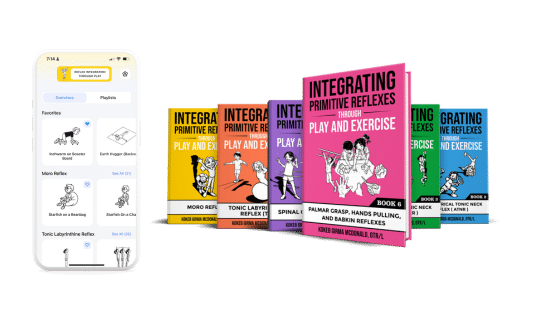
- Play-based activities drawn from the best-selling RITP Book Series
- How to embed movement into daily routines at home and school
Based on the RITP Best-selling Book Series
By the end of this introductory course, participants will be able to:
- Identify the role of primitive reflexes in early development and their impact on functional performance in children.
- Recall the importance of reflex integration for motor skills, attention, regulation, and learning.
- Recognize common signs of retained primitive reflexes that may present in clinical, school, or home settings
- Identify play-based reflex integration strategies and exercises to meet functional goals.
Why Reflex Integration?
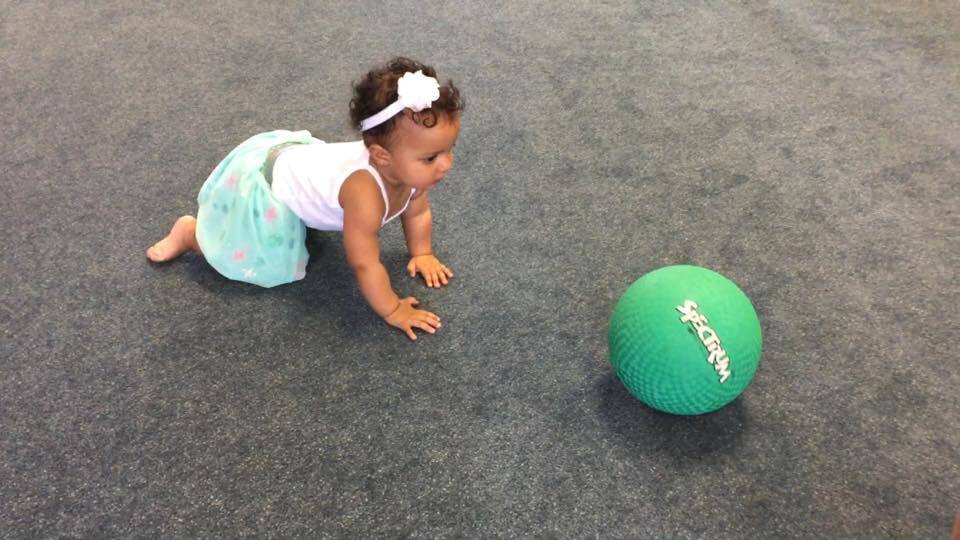
Primitive reflexes are foundational, yet involuntary movement patterns present at birth and that become integrated or “dormant” before a child reaches 12 months of age. Most reflexes become integrated so more mature and voluntary movements can emerge.
When reflexes do not become integrated, they interfere with a child’s ability to develop an appropriate foundation for stability and mobility. A child without integrated primitive reflexes learns faulty and maladaptive movement patterns.
You must address retained reflexes in your client to make a lasting change and bridge the gap in their development. You, the trained therapist, can observe these faulty responses by how a child reacts, behaves, and moves and address this interference in reflex integration to help the child recreate activities a typically developing child would have performed to integrate reflexes.
Hey there 👋,
I’m Kokeb—pediatric OT, author, mentor, mother, and creator of Reflex Integration Through Play.
When I discovered reflex integration, I finally found a way to create strong, consistent outcomes by addressing the root causes of a child’s challenges. Over time, I developed a play-based and measurable approach that not only improved results, but also strengthened collaboration with parents and teachers. Best of all, it helped remove the stress of treatment planning.
Join me live to learn how to better serve the children we support every day!
Kokeb 💕

* Polaris Therapy, LLC (provider #382) is an AOTA Approved Provider of professional development.
The assignment of AOTA CEUs does not imply endorsement of specific course content, products, or clinical procedures by AOTA or indicate AOTA approval of a certification or other professional recognition.