
When we picture a child with ADHD, we often imagine a bouncy, distracted little boy who can’t sit still in class. But what about the quiet girl in the corner, daydreaming? The perfectionist who holds it together all day at school, then completely falls apart at home? She’s often overlooked, and that oversight can follow her for decades.
In part 1 of episode 46 of the RITP podcast, host Kokeb McDonald sits down with RITP-certified occupational therapist Katie Williams to talk about ADHD in girls. They speak about why it goes undetected, what it actually looks like, and how we can better support these children. Williams brings a deeply personal perspective, sharing her own ADHD diagnosis in her early forties and how it reframed a lifetime of struggles she hadn’t had language or understanding for. She candidly discusses her experience with ADHD-related behavioral issues like rejection sensitivity, time blindness, sensory sensitivities, perfectionism, career “hopping,” and persistent difficulty with emotional regulation.
ADHD Is a Nervous System Difference, Not a Behavior Problem
At its core, ADHD is about inconsistent attention, difficulty filtering information, impulsive speech, and a brain that’s constantly seeking stimulation and dopamine. It’s not a lack of effort or willpower. Understanding this reframe is foundational, both for the adults and the girls, who often grow up believing something is simply wrong with them.
ADHD Doesn’t Always Look Like Hyperactivity
For girls, ADHD often presents internally. Instead of jumping out of their seats, they’re jumping between thoughts. Masking, perfectionism, daydreaming, and people-pleasing can all be signs of a nervous system that’s working overtime just to appear “fine.” Because girls are socialized to be composed and presentable, many become experts at hiding their struggles, until the effort of masking leads to burnout, anxiety, or depression.
These secondary conditions are frequently what get diagnosed first, leaving the root cause unaddressed. Hormonal changes during adolescence can further intensify these challenges, making early recognition especially important. The longer a girl goes without understanding why she feels so different, the more shame and self-doubt she carries into adulthood.
But What Does This Mean For Parents and Therapists?
If your daughter is dealing with emotional meltdowns, rejection sensitivity, sensory overwhelm, difficulty starting tasks, or intense mood shifts (especially around puberty) ADHD may be worth exploring. Williams encourages screening for ADHD whenever anxiety or depression are present in girls, rather than treating those symptoms in isolation.
From a therapeutic standpoint, the relationship comes first. Building trust, gently encouraging unmasking, and using the child’s own goals rather than therapist-imposed ones creates the safety needed for real progress. Language matters enormously there too. Reframing behaviors as brain and body needs, rather than character flaws, helps reduce the shame these girls so often carry. When a misstep happens in a session, repairing it openly with the child models exactly the kind of self-compassion we want them to develop.
Children with ADHD hear far more negative feedback than their peers. More positive interactions, co-regulation, and a supportive therapeutic relationship are central to behavioral outcomes.
Every girl deserves to be seen, understood, and supported, not just managed. And it starts with knowing what to look for.
✨ Try the RITP App for a free 3-day trial.
📚 Learn more and explore resources at ritp.info/shop
🎧 Listen to part 1 of episode 46 with special guest Katie Williams to understand why girls with ADHD are so often missed, how their symptoms show up differently than boys, and what parents and therapists can do to provide the support these girls truly need.
And don’t forget to check out the RITP App for step-by-step guidance and progress tracking.
Episode Breakdown:
00:00 Welcome + Why This Series Matters: ADHD in Girls
01:18 Katie’s Late ADHD Diagnosis & Looking Back With Clarity
02:38 Why Girls Get Missed: Internal Hyperactivity, Perfectionism & Burnout
07:07 What ADHD Really Is (Beyond the Name/DSM) + Dopamine Seeking Risks
09:30 Girls vs Boys: Daydreamers, ‘Lazy’ Labels, and At-Home Meltdowns
11:51 Social Expectations & Masking: Hygiene, Clothes, and Rejection Sensitivity
13:38 Adult Reflections: Sensory Needs, College Struggles, Time Blindness
19:13 OT Treatment Approach: Unmasking, Rapport, and Parent Coaching
24:17 Goal-Setting Challenges: Decision Fatigue, Initiation, and Letting Kids Lead
26:59 Language That Heals: Reframing, Backtracking, and the 5:1 Positivity Shift
Parents: Are you tired of daily struggles with focus and attention, homework meltdowns, or motor delays?
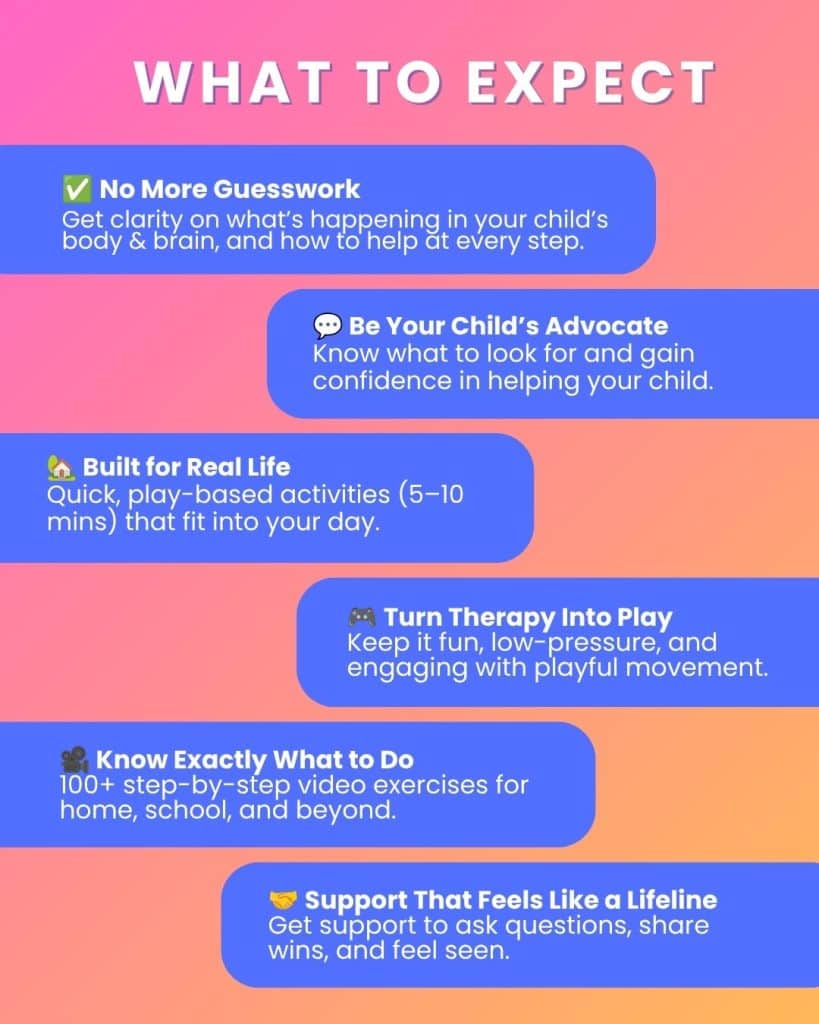
The RITP Parent Program guides you to understand your child’s development, identify root causes behind everyday struggles, and follow a structured treatment plan with simple, play-based activities — all from the comfort of home.

Reflex Integration Through Play at School
Transform Learning and Sensory Regulation Through Play-Based Movement