
This is Part 5 of the Creating an At-Home Program series. Please refer to Parts 1-4 in episodes 39-42 of the RITP podcast if you have not had a chance to review.
Well, you’ve made it to step 4 of the Creating an At-Home Program sequence. So far, this means you’ve identified that your child is struggling with primitive reflexes, observed their behavior and which reflexes need attention, constructed a bespoke reflex integration therapy plan for your child, and have done your homework on understanding how to nurture your child’s nervous system through the process.
So, now what?
The real challenge for parents isn’t understanding reflex integration activities; rather, it’s prioritizing the consistency needed to make lasting progress.
The Brain Needs Repetition to Improve Sensory Processing
When it comes to integrating primitive reflexes, your child’s nervous system doesn’t benefit from occasional hour-long sessions. The brain responds best to short, frequent practice that builds new neural pathways through repetition.
Think of it like learning a language. Five minutes of daily practice creates stronger brain-body connections than cramming once a week. Consistency is what transforms an exercise from a chore into an automatic response.
This is especially true for pediatric occupational therapy strategies designed to support child development milestones. When exercises become part of your daily routine, they work with your child’s natural sensory processing patterns rather than against them.
Practical Ways to be Consistent With Reflex Games
The good news? You don’t need to overhaul your entire schedule. Here are research-backed strategies that work for busy families:
- Replace screen time with movement time: Instead of reaching for the tablet during transitions, try a quick reflex game. Even two minutes of purposeful movement supporting areas like the tonic neck reflex or Babkin reflex can make a difference
- Integrate exercises into existing routines: Reflex integration through play works best when it doesn’t feel separate from life. Practice balance activities while brushing teeth, or incorporate core-strengthening movements during story time.
- Keep sessions short and frequent: Five minutes twice daily beats thirty minutes twice weekly. This approach aligns with how the nervous system learns and helps children stay engaged rather than resistant.
- Create predictable structures: Children thrive on routine. When your child knows that certain movements happen at specific times, like practicing reflex games before breakfast or after school, the resistance decreases and cooperation increases.
Reflex Integration Therapy Needs Structured Strategies
RITP is built on the understanding that children learn through play, not pressure. When you make reflex integration a natural part of daily life rather than a formal therapy session, several things happen:
- Your child experiences less anxiety and more willingness to participate
- The brain receives consistent input needed for neurological reorganization
- Progress becomes visible in emotional regulation, coordination, and attention
- You feel less overwhelmed and more empowered as a parent
From working on asymmetric reflex patterns affecting your child’s handwriting to sensory sensitivities tied to retained reflexes, it’s important to remember that small, consistent actions compound over time to create lasting impact.
Get the Most Out of Your RITP Plan
The gap between understanding reflex patterns and actually helping your child can feel impossibly wide. You’ve done the research, you know the terminology, but translating that knowledge into daily action is where most families get stuck.
That’s where RITP comes in. Our structured resources, video demonstrations, and assessment tools bridge help to close that gap. The resources are there to give you clear direction without the stress and overwhelm.
We also help you build routines that actually fit into your real life, not some idealized version of it. At the end of the day, the most effective program isn’t the most comprehensive one. It’s the one you can easily make time to remain consistent with.
✨ Try the RITP App for a free 3-day trial.
📚 Learn more and explore resources at ritp.info/shop
🎧 Listen to episode 43 now to learn how to build consistency into your child’s reflex integration routine to avoid wasted effort on overly ambitious marathon sessions.
And don’t forget to check out the RITP App for step-by-step guidance and progress tracking.
Episode Breakdown:
00:00 Introduction to Consistency in Home Programs
00:58 Making Consistency Easy: Substitute Before Adding
01:56 Integrate Exercises into Daily Activities
03:03 Keep It Short and Consistent
03:34 Create a Predictable Structure
04:47 Family Connection Time
05:55 Key Takeaways and Final Thoughts
07:19 Next Episode Preview: Tailoring Exercises
Special Event – RITP 3-Day Intensive
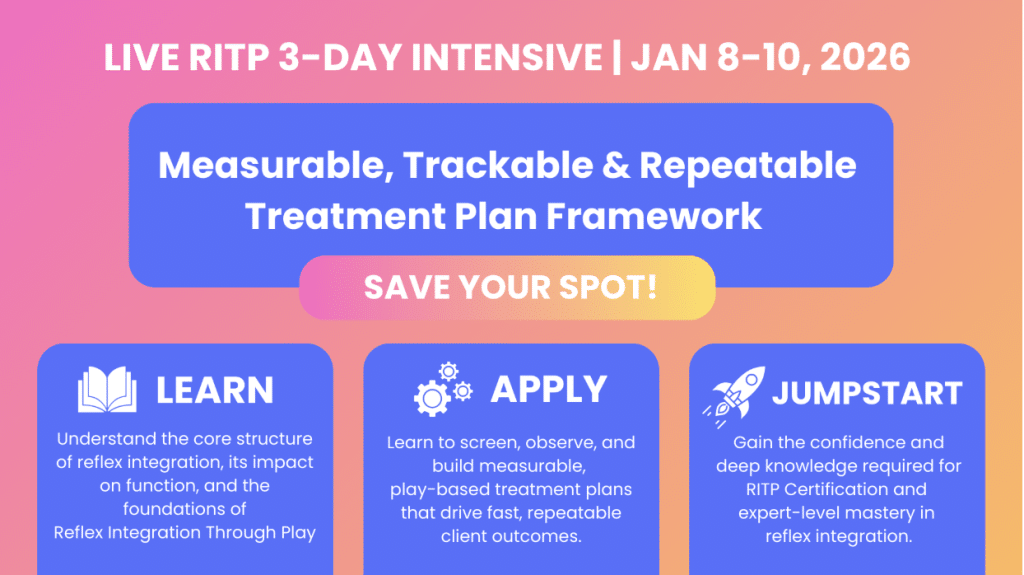
The 3-Day RITP Intensive is a live, hands-on training with Kokeb McDonald that teaches you the full RITP framework in just three days.
Earn AOTA-approved CEUs, get practical screening tools, and learn how to create effective, play-based treatment plans you can use immediately in your practice.
Perfect for pediatric therapists ready to elevate their approach and support kids with more confidence and clarity.
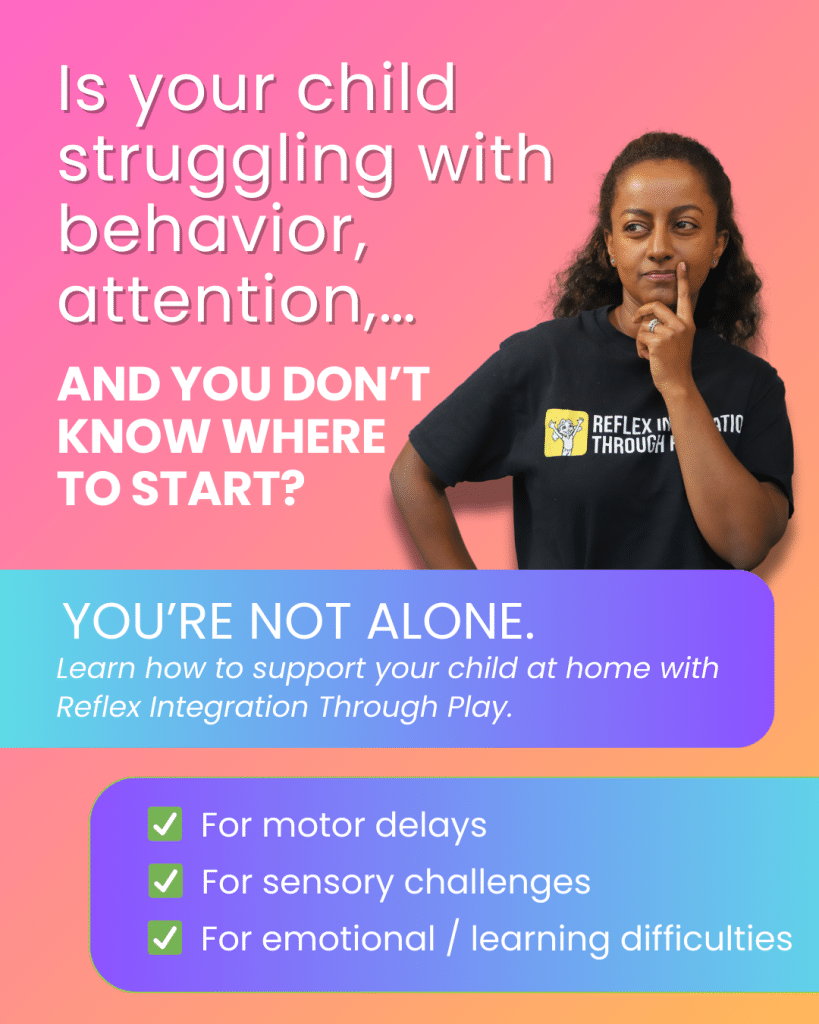
Parents: Are you tired of daily struggles with focus and attention, homework meltdowns, or motor delays?
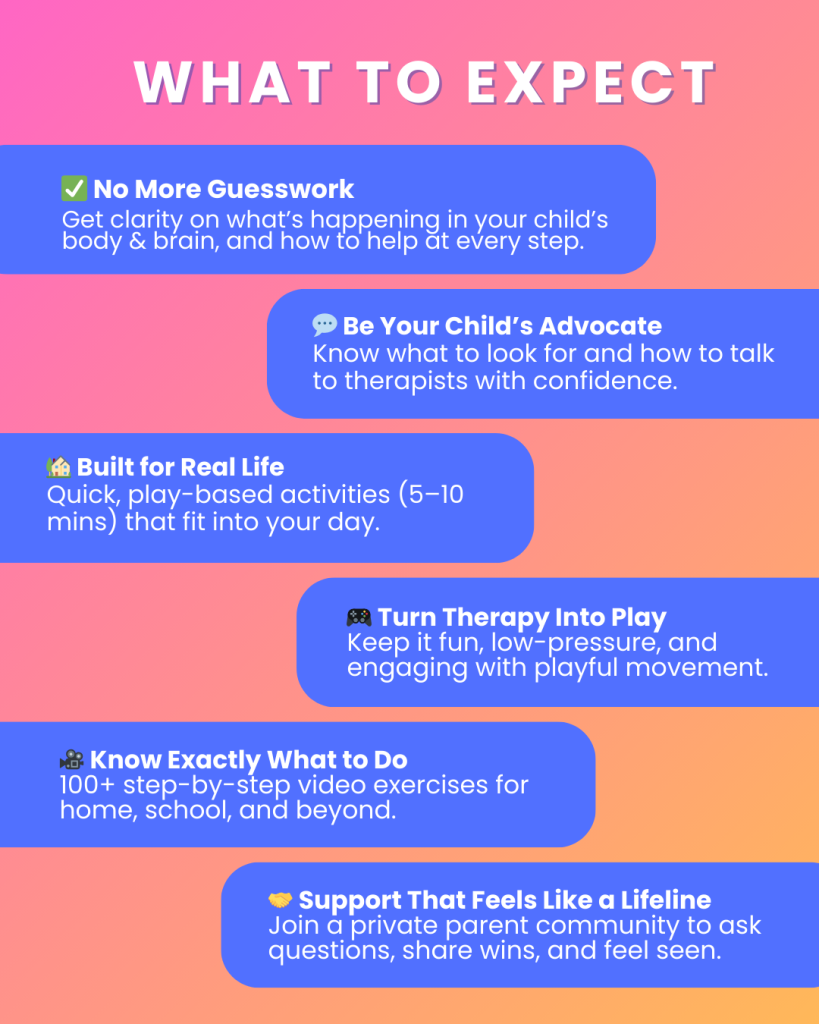
RITP for Parents helps kids move better, focus longer, and feel calmer — all through simple, play-based exercises that fit into real life.

Reflex Integration Through Play at School
Transform Learning and Sensory Regulation Through Play-Based Movement