This is Part 4 of the Creating an At-Home Program series. Please refer to Parts 1-3 in episodes 39-41 of the RITP podcast if you have not had a chance to review.
“Healing the nervous system” has been the subject of many online conversations lately, and for good reason. It’s quite literally at the core of our being. It dictates how we address, handle, and perceive life.
But if we think managing this is tough as an adult, imagine what it’s like for our tiny humans with inexperienced nervous systems.
What does this look like? You’re working with them on integrating primitive reflexes like the ATNR or addressing that persistent palmar grasp, but five minutes in, your child is melting down or completely checked out: this is their nervous system at play.
To truly benefit and fully engage from reflex integration through play, a child’s nervous system needs to feel safe.
Safety is the Foundation for Reflex Integration
From working with a pediatric occupational therapy program to implementing activities at home, creating a safe environment is always more important than the activities themselves. A child’s brain constantly scans for threats. When their nervous system detects stress, even from subtle cues like parental frustration or pressure to perform, learning stops.
This is why the same reflex game that works one day falls apart the next. It’s not the activity itself. It’s whether or not your child feels safe enough to engage with it that day.
Children working through challenges like the asymmetric tonic neck reflex, tonic labyrinthine reflex, or Galant reflex often already experience overwhelm in their bodies, and adding emotional pressure compounds the problem.
The Two Types of Safety Needed Before Starting Reflex Games
1. Emotional Safety means your child feels accepted during activities. They know efforts matter more than perfect performance, mistakes are okay, and you’re supportive rather than evaluative.
2. Physical Safety includes predictability, activities matched to current abilities, a calm environment, and your regulated presence. Children absorb our nervous systems. If you’re stressed or rushed, they feel it, even when you’re trying to hide it.
RITP Guide for Supporting a Calm Nervous System
- Manage Your Own Emotions First: Before any session, check in with yourself. Are you feeling rushed, worried about progress, or frustrated? Your child absorbs whatever emotional state you bring. Take deep breaths if needed. Your regulation creates their safety.
- Stay Present and Supportive: Put your phone away. Get on their level. Show genuine interest in their experience, not just when they’re “doing it right.”
- Use supportive language: “I see you working hard on that” “That part is tricky! Let’s figure it out together”
- Avoid pressure: “Come on, you can do this” “Why is this so hard for you?”
- Prioritize Quality Over Quantity: Five minutes of joyful, connected activity beats 30 minutes that feel like a battle. If your child is engaged and regulated, you’re winning, even if you only completed half your plan.
- Encourage Without Pressuring: There’s a fine line between encouragement and pressure. Children feel the difference! When children feel encouraged, they develop intrinsic motivation. When pressured, they develop resistance.
- Encouragement→ celebrates effort and small wins
- Pressure→ insists they continue when they’re done or expresses disappointment in performance
Safely Integrating Primitive Reflexes in Practice: A Demonstration
Imagine you’re doing bilateral coordination activities with your four-year-old.
Without safety: You’re worried about falling behind. Your child resists. You coax with increasing tension. They comply but rush through movements. You correct it repeatedly. They cry. The session ends badly.
With safety: You breathe first. You put on music they enjoy. You join playfully on the floor. They try the movement their own way. It’s not perfect, but they’re really putting forth the effort. You celebrate. After eight minutes, they’re done. You honor that. Tomorrow, they’re willing again.
The second scenario seems like less accomplishment, but you’ve built trust and nervous system safety; these are the ingredients that make lasting progress possible.
The Nervous System Comes Before Reflex Integration Through Play
No matter the scenario, from working through occupational therapy for children to implementing RITP protocols to supporting development at home, you cannot rush past safety.
Children who feel safe can take in new information, try challenging movements, tolerate frustration, and build new neural pathways. Safety isn’t optional, It’s the foundation that makes everything else possible.
Create the conditions for safety first. The learning will follow.
✨ Try the RITP App for a free 3-day trial.
📚 Learn more and explore resources at ritp.info/shop
🎧 Listen to episode 42 now to understand why emotional and physical safety must come before any at-home reflex integration program can succeed.
And don’t forget to check out the RITP App for step-by-step guidance and progress tracking.
Episode Breakdown:
00:00 Understanding Child Safety in Learning Environments
00:14 Introduction to Creating a Safe Environment
01:00 Emotional and Physical Safety
02:19 Practical Tips for Ensuring Safety
03:52 Encouragement and Support Strategies
04:52 Key Takeaways and Next Steps
Special Event – RITP 3-Day Intensive
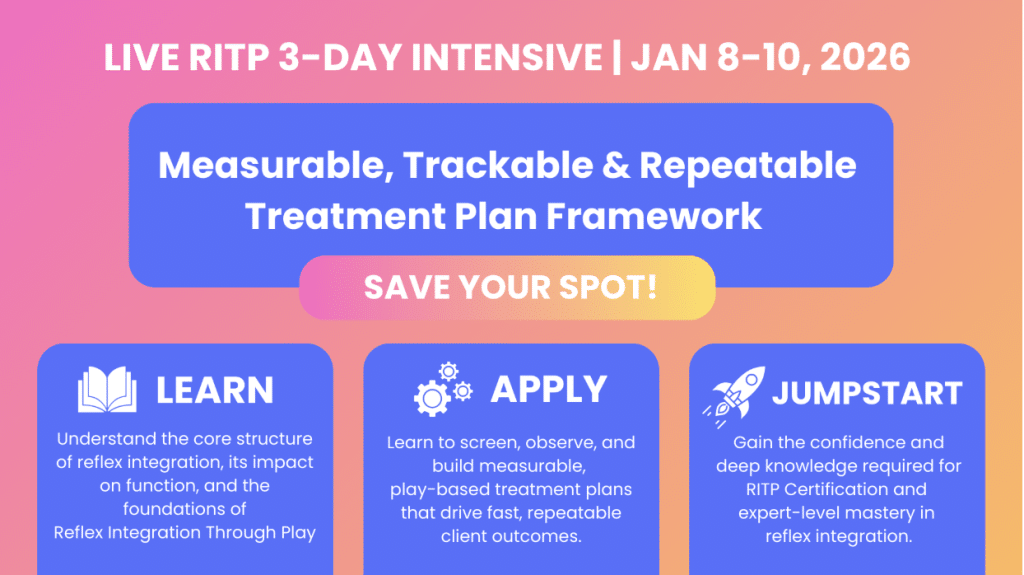
The 3-Day RITP Intensive is a live, hands-on training with Kokeb McDonald that teaches you the full RITP framework in just three days.
Earn AOTA-approved CEUs, get practical screening tools, and learn how to create effective, play-based treatment plans you can use immediately in your practice.
Perfect for pediatric therapists ready to elevate their approach and support kids with more confidence and clarity.
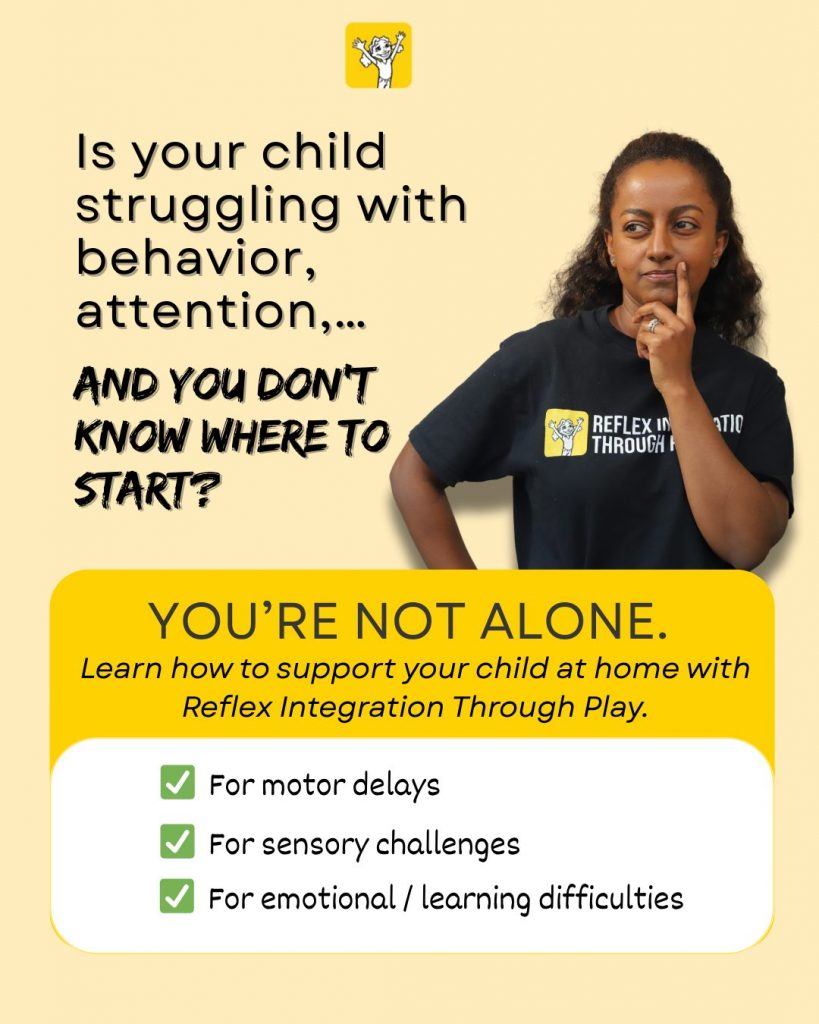
Parents: Are you tired of daily struggles with focus and attention, homework meltdowns, or motor delays?
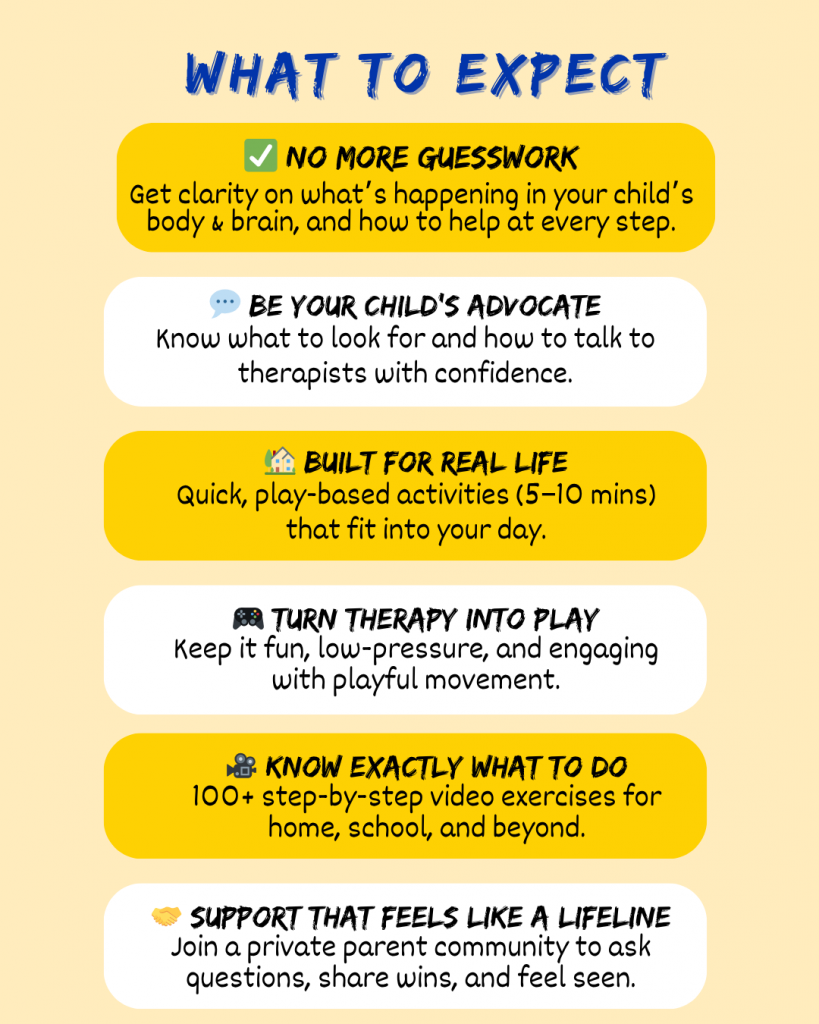
The RITP Family Bundle helps kids move better, focus longer, and feel calmer — all through simple, play-based exercises that fit into real life.

Reflex Integration Through Play at School
Transform Learning and Sensory Regulation Through Play-Based Movement