
This is Part 6 of the Creating an At-Home Program series. Please refer to Parts 1-6 in episodes 39-43 of the RITP podcast if you have not had a chance to review.
When it comes to reflex integration therapy, one size doesn’t fit all. For parents exploring primitive reflex integration exercises or working with a pediatric occupational therapy provider, it’s likely you’ve discovered that what works perfectly for one child may frustrate another. The key to successful home reflex therapy routines isn’t perfection. It’s personalization.
Customize Your RITP At-Home Routine
When addressing retained reflexes, the approach matters as much as the activity itself. Children with developmental delays or sensory processing challenges need at-home therapy activities that feel like play, not homework.
Reflex integration through play works because it meets children where they are, emotionally, physically, and developmentally. Rather than forcing a 10-minute Romberg balance exercise on a wiggly six-year-old, break it into 30-second intervals with silly sound effects. The goal remains the same: integrating primitive reflexes. The only difference is through play, the path becomes joyful instead of stressful.
Parents will start to notice that when observing child development at home, engagement drops quickly when tasks feel too hard or too long. That’s why understanding signs of retained reflexes in children (difficulty crossing midline, persistent toe-walking, challenges with handwriting, etc.) helps when choosing activities that target specific needs.
Five Steps to Personalized Success in Play-Based Therapy
1. Break It Down
Simplify instructions. Instead of “stand still with your eyes closed,” try “let’s be a statue for five seconds.” This approach supports developmental assessment by helping parents see exactly where a child needs support.
2. Use Rhythm
A metronome or clapping pattern can help children with motor planning difficulties stay engaged during activities. The RITP app includes a built-in metronome to make this easier.
3. Keep It Brief
Short, playful sessions support gross motor skills development and fine motor skills activities without overwhelming a child. Think movement snacks, not marathons. Even crossing midline activities can be done in two-minute bursts throughout the day.
4. Celebrate Small Wins
Every attempt matters. Progress in child development milestones happens gradually, especially when working through challenges like the Babkin reflex or spinal Galant reflex. Notice improvements in emotional regulation, not just physical coordination.
5. Stay Flexible
If an activity isn’t landing, pivot. Working with pediatric OT professionals and using resources like the RITP app can help parents adjust strategies based on what’s observed. Parent-therapist collaboration is essential for tracking what’s working.
The Power of Reflex Games
Play-based therapy for kids removes the pressure while still addressing sensory processing disorder symptoms and developmental gaps. A reflex game might look like animal walks, freeze dance, or obstacle courses, but it’s strategically designed to integrate primitive reflexes like the tonic neck reflex or asymmetric reflex patterns.
This is where occupational therapy for children meets real life. Parents aren’t running a clinic in the living room but rather creating moments of connection that also happen to support brain-body integration.
Moving Forward Together in Reflex Integration Therapy
Reflex therapy benefits for children are maximized when parents feel confident and supported. By focusing on what makes a child light up, from animal walks to rhythm games or imaginative play, parents aren’t just addressing primitive reflexes. They’re building connection, confidence, and capability.
Understanding developmental milestones by age helps set realistic expectations, while tracking progress ensures we’re celebrating growth along the way.
Ready to make progress feel like play? Explore the tools and guidance available through RITP to support a child’s unique developmental journey.
✨ Try the RITP App for a free 3-day trial.
📚 Learn more and explore resources at ritp.info/shop
🎧 Listen to episode 44 now to understand how to tailor at-home reflex integration activities to a child’s unique needs instead of defaulting to one-size-fits-all programs.
And don’t forget to check out the RITP App for step-by-step guidance and progress tracking.
Episode Breakdown:
00:00 Focused Activities vs. Frustration
00:29 Introduction to Step Six: Tailoring the Program
00:46 Understanding Your Child’s Unique Needs
01:48 Personalizing Your Child’s Home Program
01:54 Breaking Down Instructions
02:34 Using Rhythm and Metronomes
03:22 Shortening and Simplifying Exercises
04:01 Making Exercises Playful
04:56 Celebrating Small Wins
06:01 Adapting Based on Response
06:59 Key Takeaways and Flexibility
08:07 Resources and Tools in the RITP App
08:49 Preview of Final Episode: Tracking Progress
09:03 Final Encouragement and Conclusion
For Therapists – RITP Certification
The RITP Certification program teaches you the full RITP framework and provides real world coaching enabling you to implement it with your clients.
Earn AOTA-approved CEUs, get practical screening tools that are measurable, trackable and repeatable, and learn how to create effective, play-based treatment plans you can use immediately in your practice.
Perfect for pediatric therapists ready to elevate their approach and support kids with more confidence and clarity.
Parents: Are you tired of daily struggles with focus and attention, homework meltdowns, or motor delays?
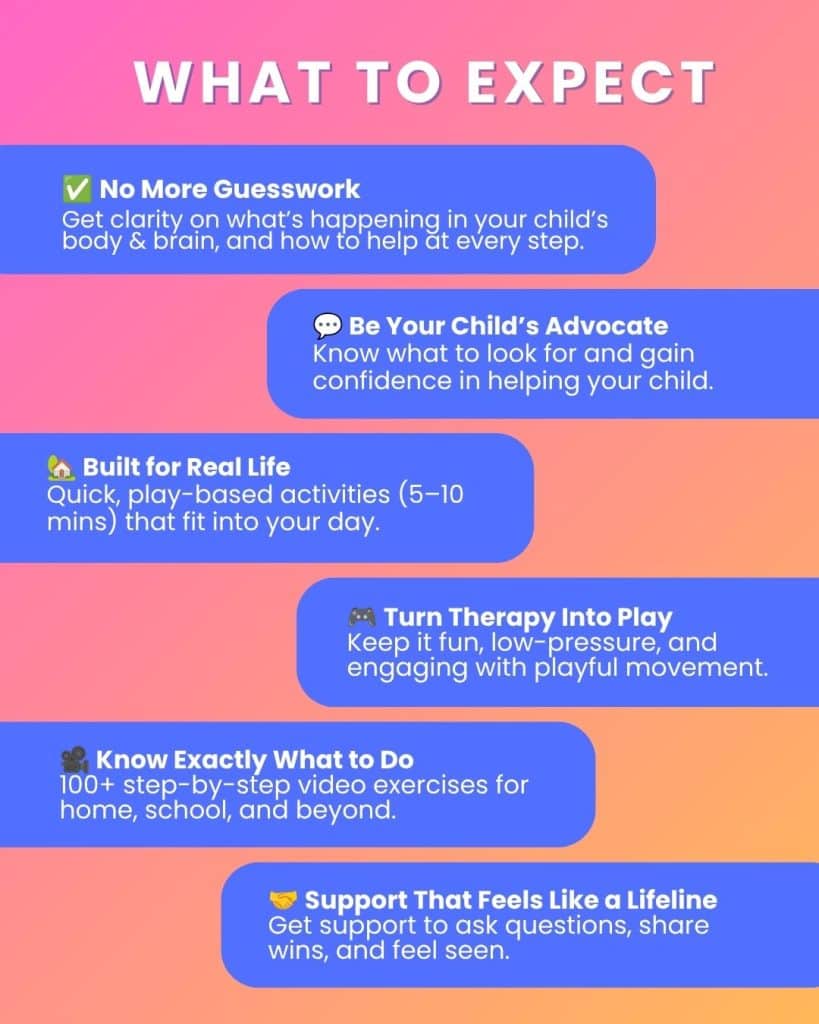
The RITP Parent Program guides you to understand your child’s development, identify root causes behind everyday struggles, and follow a structured treatment plan with simple, play-based activities — all from the comfort of home.

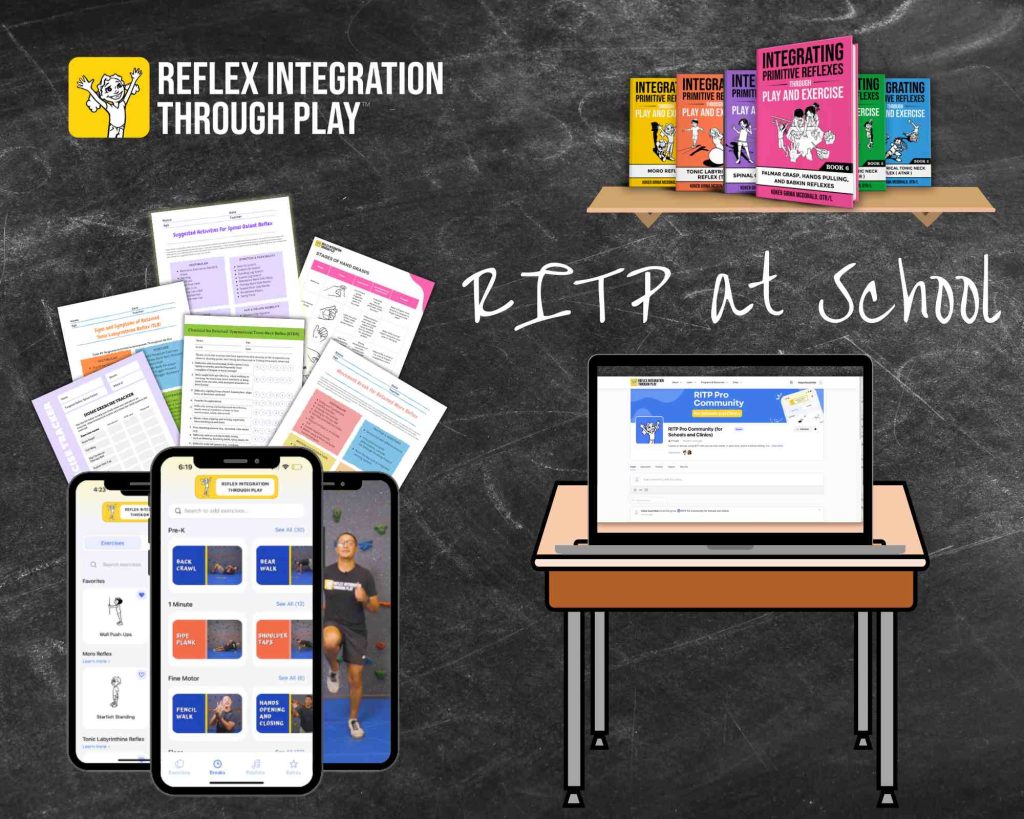
Reflex Integration Through Play at School
Transform Learning and Sensory Regulation Through Play-Based Movement