
This is Part 3 of the Creating an At-Home Program series. Please refer to Parts 1 & 2 in episodes 39 & 40 of the RITP podcast if you have not had a chance to review.
You’ve been watching. You’ve been taking notes. Maybe it’s the way your child still W-sits during circle time or how they struggle to cross midline when reaching for toys. Perhaps it’s the meltdowns that seem to come out of nowhere or the difficulty with tasks that should be getting easier by now.
Now comes the question every parent and therapist asks: “What do I actually do about it?”
This is where many well-intentioned intervention plans fall apart. We jump to complex exercises we saw on Instagram. We try to do everything at once. We pick activities that have great reviews and look impressive, but we don’t realize they don’t match where a child actually is developmentally.
Step three of the Creating an At-Home Program is connecting what you see to what you do in a way that actually works.
Start Reflex Integration Therapy Where Your Child Is Now
The truth every pediatric occupational therapy professional knows: the fanciest exercise won’t help if your child isn’t developmentally ready. If retained reflexes like the asymmetric tonic neck reflex (ATNR) are impacting midline crossing, complex sequences will only frustrate the child. The most effective exercise program is built with activities a child can do successfully.
Quality Play-Based Exercises Over Quantity
In reflex integration therapy, quality beats quantity every time. Five minutes of focused, properly executed movements create more neural change than thirty distracted minutes. Short, successful sessions build momentum, especially for children with sensory processing challenges.
Individualization Matters with the RITP Approach
Reflex Integration Through Play (RITP) recognizes that cookie-cutter programs don’t work.
Exercise selection must consider:
- A child’s specific goals: Balance? Visual tracking? Regulation?
- Their reflex patterns: Is it the tonic labyrinthine reflex affecting balance? Is the palmar grasp interfering with pencil grip? The Galant reflex contributing to fidgeting?
- Their developmental readiness: Can they actually perform this movement successfully?
Not every family has access to specialists. That’s where parent-led reflex integration becomes powerful. Home routines work when you understand the benefits of reflex therapy for children and have guidance for integrating primitive reflexes through play and exercise.
Understanding which primitive reflexes need attention helps you choose targeted primitive reflex integration exercises.
Three Non-Negotiables for Home Reflex Therapy Routines
No matter which exercises you choose, these principles should guide every decision:
1. Base reflex integration through play on goals, not guesswork.
Don’t just pick activities because they look therapeutic or because another parent recommended them. Return to the goals you identified in step two. What is your child actually working toward? Choose exercises that directly support those outcomes.
If your child’s goal is to improve handwriting, you’ll want exercises that address retained reflexes affecting hand function, like the palmar grasp or ATNR. If balance is the concern, you’ll focus on activities that address the tonic labyrinthine reflex, so on and so forth.
2. Track and adjust reflex games based on real responses.
Your child’s body will tell you what’s working. Are they more regulated after the activity or more dysregulated? Are you seeing improvements in the target skills over days and weeks? Is the activity sustainable for your family’s routine?
Pay attention to both immediate responses (emotional state, energy level, cooperation) and longer-term patterns (skill development, behavioral changes, physical improvements).
3. Collaborate with a pediatric occupational therapist when possible.
If you’re working with a therapist, keep them in the loop about what you’re doing at home and what you’re seeing. If you’re not currently working with someone, document what you observe so that if you do connect with a specialist later, you have valuable information to share.
Many occupational therapy practices for children now embrace collaborative models where therapists teach parents specific reflex integration techniques to use at home between sessions.
Creating a Safe Space for Development
One crucial element of effective observation is matching expectations to your child’s actual developmental stage, not their chronological age. A child who’s developmentally functioning at a 4-year-old level but is chronologically 6 needs activities and expectations aligned with where they are, not where we wish they were.
This realistic approach isn’t about lowering standards. It’s about building a secure foundation. To simplify: you can’t construct the second floor of a house if the first floor isn’t stable. Retained reflexes often indicate that certain developmental foundations weren’t fully established, and our job is to go back and create that stability before moving forward.
Moving From Assessing to Integrating Primitive Reflexes
Here’s something that often gets overlooked in discussions about reflex integration therapy: emotional safety is just as important as physical safety.
A child needs to feel:
- Capable and competent –> not constantly corrected or criticized
- Emotionally supported –> not judged for what’s hard for them
- Playful and curious –> not like they’re doing “homework” or “fixing” themselves
When exercises feel like punishment or pressure, the nervous system goes into protection mode, which is exactly the opposite of what we need for developmental progress.
A child’s evolving nervous system is why the Reflex Integration Through Play approach matters. When movement is embedded in games, stories, and activities a child enjoys, their nervous system stays open to learning and change. A reflex game that targets the asymmetric reflex might look like “statue freeze dance” or “superhero training” or other engaging, even “silly,” activities that just happen to be reorganizing your child’s nervous system.
RITP is the Next Step in Your Child’s Development Milestones
You’ve observed your child. You’ve clarified their goals. Now it’s time to take thoughtful, purposeful action. Start with one or two simple, goal-aligned exercises. Do them consistently, and watch what happens. Adjust as needed, and remember: you’re not looking for perfection. You’re looking for progress.
Every small shift in a child’s movement patterns, every moment of increased regulation, every new skill that starts to emerge. These shifts are evidence that you’re on the right path.
And if you need support along the way? That’s what communities like RITP are for. You don’t have to figure this out alone.
✨ Try the RITP App for a free 3-day trial.
📚 Learn more and explore resources at ritp.info/shop
🎧 Listen to episode 41 now to to learn how to choose goal-aligned, play-based reflex integration exercises before jumping into just any universal at-home therapy routine.
Episode Breakdown:
00:00 Welcome to the RITP Podcast
00:11 Understanding Your Child’s Needs
01:03 Creating Effective Home Programs
01:38 Resources for Parents
01:59 Selecting the Right Exercises
02:34 Practical Tips for Exercise Selection
03:55 Monitoring and Adjusting Exercises
05:13 Example Home Program
06:48 Explaining the Why to Your Child
07:46 Key Takeaways and Final Thoughts
08:42 Looking Ahead: Creating a Safe Environment
And don’t forget to check out the RITP App for step-by-step guidance and progress tracking.
Special Event – RITP 3-Day Intensive
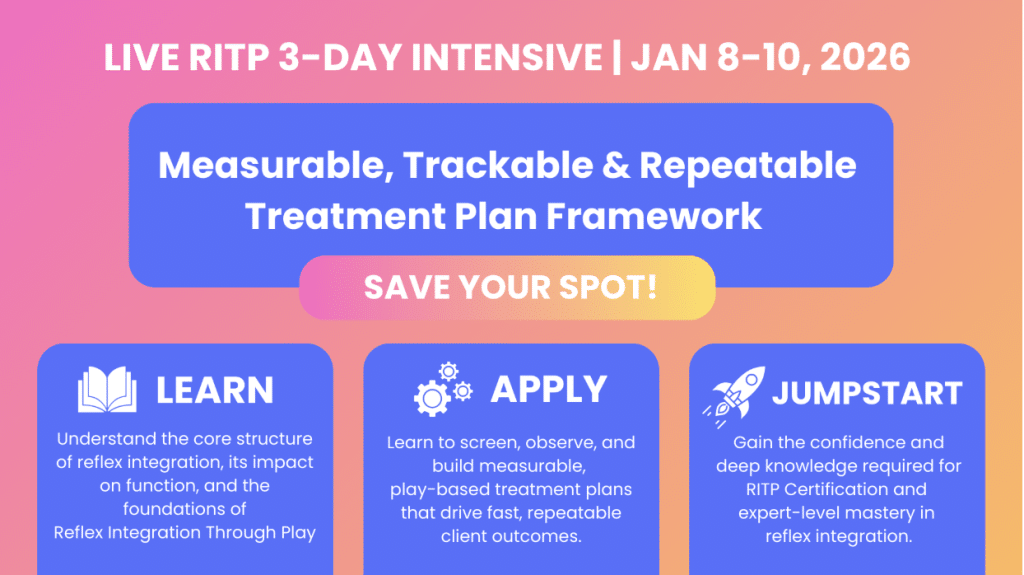
The 3-Day RITP Intensive is a live, hands-on training with Kokeb McDonald that teaches you the full RITP framework in just three days.
Earn AOTA-approved CEUs, get practical screening tools, and learn how to create effective, play-based treatment plans you can use immediately in your practice.
Perfect for pediatric therapists ready to elevate their approach and support kids with more confidence and clarity.
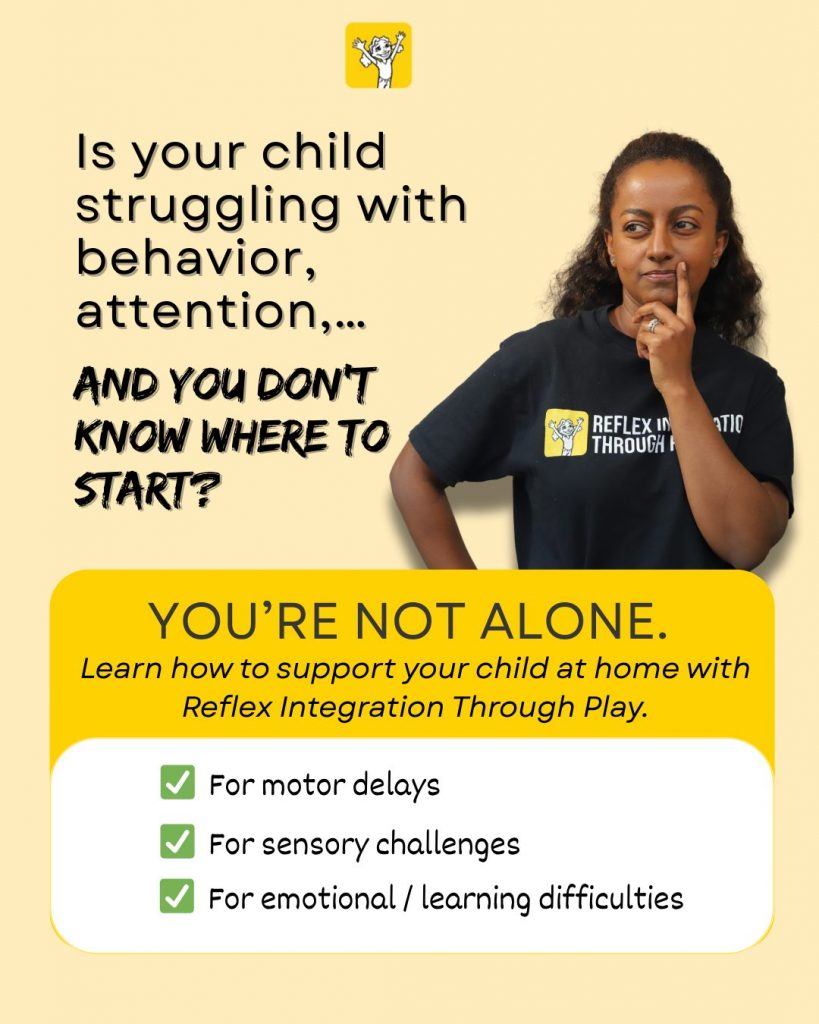
Parents: Are you tired of daily struggles with focus and attention, homework meltdowns, or motor delays?
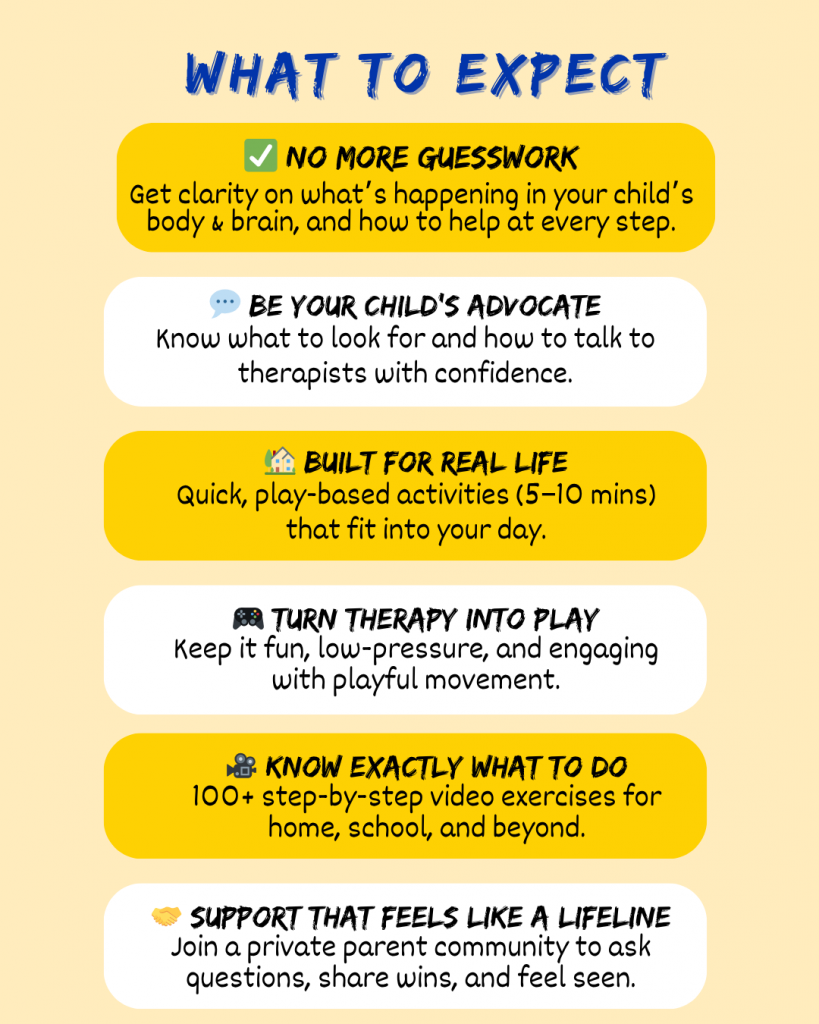
The RITP Family Bundle helps kids move better, focus longer, and feel calmer — all through simple, play-based exercises that fit into real life.

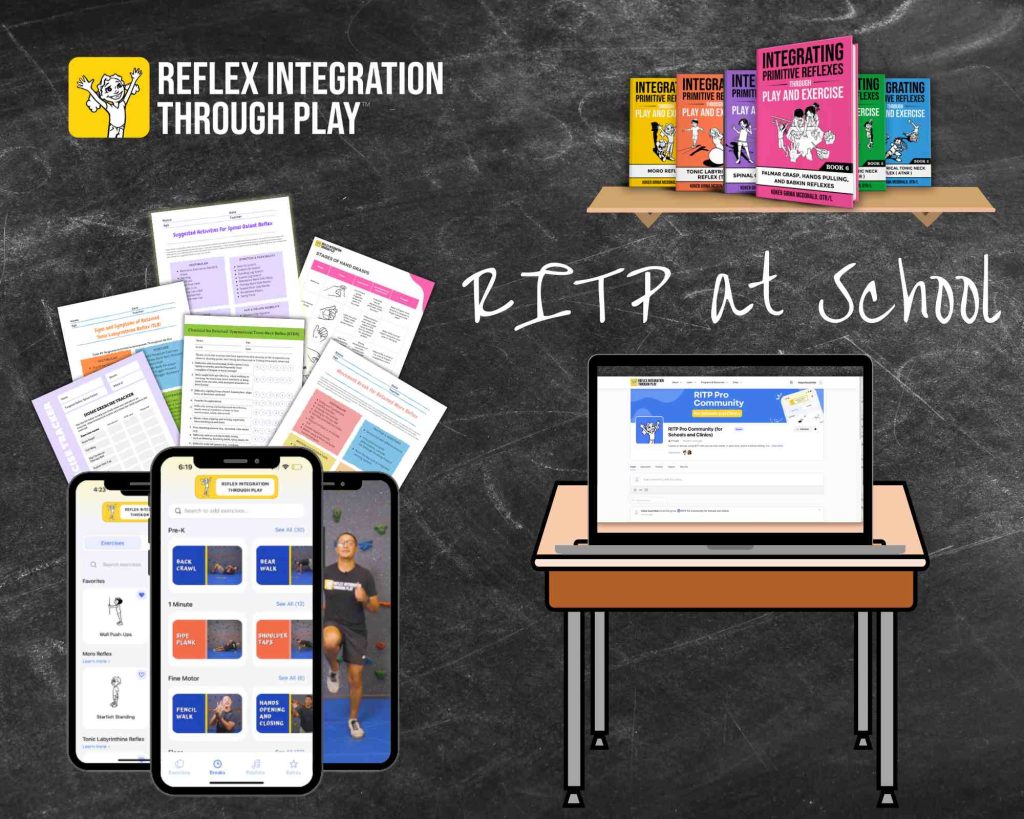
Reflex Integration Through Play at School
Transform Learning and Sensory Regulation Through Play-Based Movement